




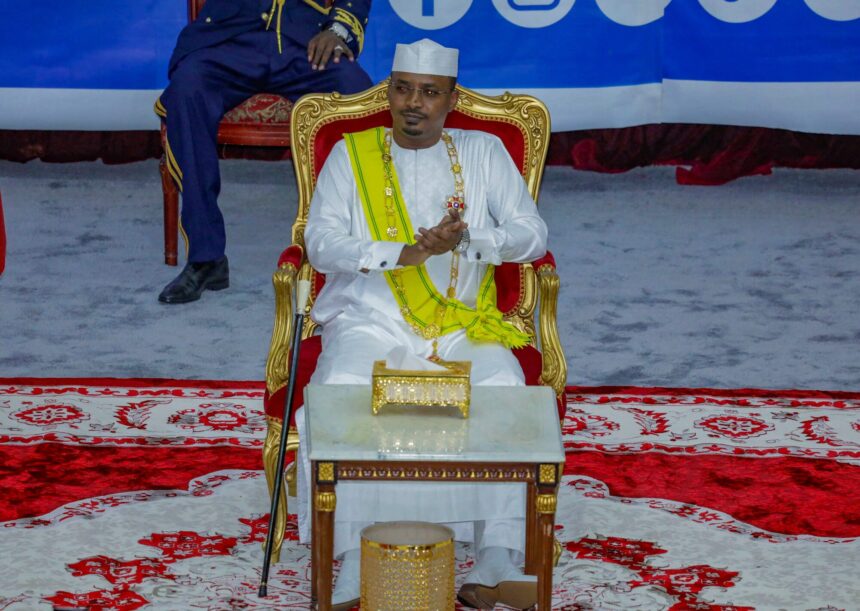
N’DJAMENA, Dec 29 – Chadians voted on Sunday in a parliamentary election that is likely to reinforce President Mahamat Idriss Deby’s control over the country, despite a boycott by the opposition.
The election, which includes legislative, municipal, and regional races, is the first of its kind in over ten years. It is seen as a crucial step in Chad’s transition to constitutional rule, following Deby’s ascension to the presidency in 2021 after the death of his father, President Idriss Deby, in a rebel attack.
Deby, who was elected in May in a contested vote, has faced opposition criticism, especially from Succes Masra’s Transformateurs party and several other groups, who argue that the process has been unfair. These parties chose to boycott Sunday’s election.
Voting began on Saturday for military personnel and nomads, with polls opening to the general public at 7 a.m. on Sunday. Over eight million people are registered to vote. Provisional results are expected by January 15, 2025, and final results by January 31, 2025.
Despite the opposition boycott, many citizens turned out to vote, including 27-year-old Moussa Ali Hissein, who expressed hope that elected officials would deliver on promises for youth employment.
Abel Moungar, 31, shared similar concerns, wishing for better social and economic conditions in Chad. “I was afraid people would boycott, but thankfully, they came to vote,” he said.
The election comes amid growing tensions between Chad and France, which has been a key ally in the fight against Islamist militants in the Sahel region. Last month, Chad ended its defense pact with France and threatened to withdraw from a multinational regional security force.
Chad also faces significant humanitarian challenges, hosting more than 600,000 refugees from the ongoing conflict in neighboring Sudan.


