




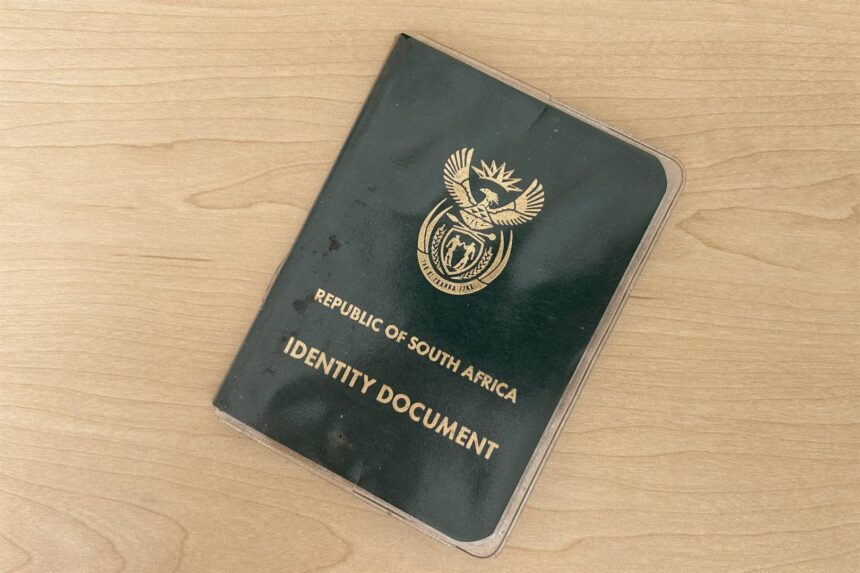
Lawyers for Human Rights (LHR) is set to launch contempt proceedings against South Africa’s Department of Home Affairs (DHA) for failing to comply with a court order regarding the unlawful blocking of up to 700,000 South African IDs.
In January 2024, the Pretoria High Court ruled that the DHA had not followed a fair administrative process when it blocked these IDs on suspicions of fraud. Judge Elmarie van der Schyff gave the department a year to rectify its procedures but required the DHA to determine the status of over 100 applicants within 90 days.
The court’s judgment included key directives:
- The DHA must stop blocking IDs without a fair procedure, including notifying individuals in writing and allowing reasonable time to respond.
- A thorough investigation and a court order are required before blocking an ID.
- The DHA must immediately unblock minor children’s IDs whose parents are under investigation and allow parents to register their child’s birth even if their ID is under scrutiny.
According to GroundUp, LHR plans to pursue contempt proceedings as the DHA failed to determine the applicants’ statuses within the stipulated 90 days. LHR legal consultant Palesa Maloisane stated that despite providing the DHA with a list of clients, the department’s response was vague and came after the deadline.
Some applicants reported that the DHA contacted them to make representations on their IDs’ status within 14 days, threatening cancellation if they failed to comply. Maloisane criticized this approach, stating it contradicts the court order’s intent. LHR intends to address this at an upcoming meeting with Judge Van der Schyff.
Thankdeka Chauke, head of the Stateless Unit at LHR, highlighted that the 90-day deadline had passed without any explanation from the state attorney on the department’s non-compliance. Many ID holders were unaware their documents were blocked until they needed them for administrative purposes.
Chauke emphasized the court’s requirement for the DHA to inform ID holders of the reasons behind the invalidation of their documents. Without valid IDs, affected South Africans face significant obstacles, including accessing banking services and obtaining other essential documents. Parents also struggle to register their children, perpetuating documentation issues.
Some LHR clients only discovered their IDs were invalid at a bank, without prior notification from the DHA. Chauke noted the difficulty these individuals face in investigating the reasons for their blocked IDs and obtaining assistance from the department, with some cases dating back to the early 2000s.
The consequences are dire, with some affected individuals losing jobs and struggling to support their families due to invalid IDs.


