


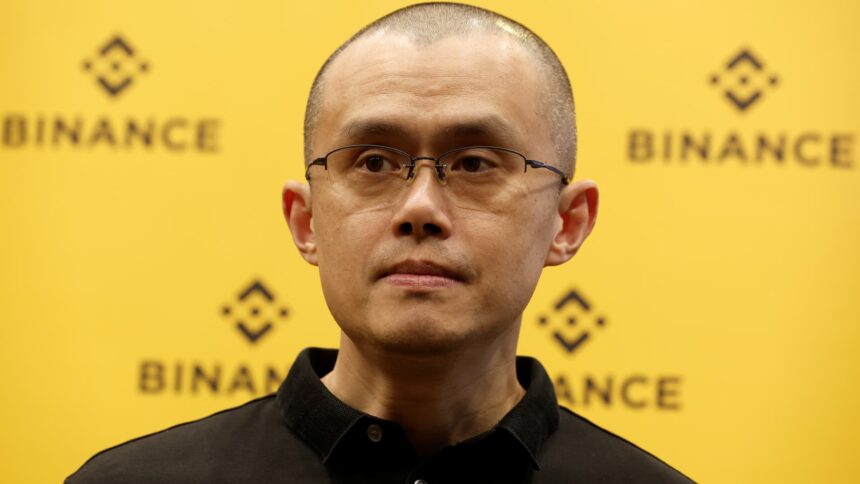
Changpeng Zhao, founder of the world’s largest cryptocurrency exchange Binance, was sentenced to four months in prison on Tuesday. This comes after pleading guilty to failing to implement proper anti-money laundering (AML) protocols at the company.
Prosecutors had initially sought a three-year sentence, highlighting the seriousness of the charges. However, the judge ultimately imposed a lighter sentence.
Zhao, known in the industry as “CZ,” expressed deep remorse during a court appearance before his sentencing. “I deeply regret my choices,” he stated, pledging that “it will never happen again.”
This case represents a major step by U.S. authorities in their efforts to regulate the cryptocurrency industry and combat financial crime within that space. As part of a broader settlement reached last year, Binance agreed to pay over $4 billion in fines and penalties. The company admitted to violations related to anti-money laundering, unlicensed money transmission, and sanctions breaches.
The investigation revealed that Binance facilitated transactions linked to criminal activities such as child exploitation, drug trafficking, and terrorism. Leaked internal communications even showed a concerning disregard for compliance measures. One message reportedly stated, “We need a banner ‘is washing drug money too hard these days – come to Binance we got cake for you.'”
This sentencing comes shortly after Sam Bankman-Fried, founder of FTX, received a 25-year prison term for his involvement in a massive fraud scheme. These developments signal a more aggressive approach by the Department of Justice in holding crypto industry leaders accountable.
While crypto companies are attempting to improve their image and integrate with traditional financial systems, some remain skeptical. Dennis Kelleher, CEO of Better Markets, criticized the leniency of Zhao’s sentence, stating it sends the message that “crime pays.”