


Kenya and the European Union have finally enacted a trade agreement after a decade of negotiations. The EU-Kenya Economic Partnership Agreement (EPA) eliminates tariffs on Kenyan exports to the European market while phasing in duty-free access for European goods over 25 years.
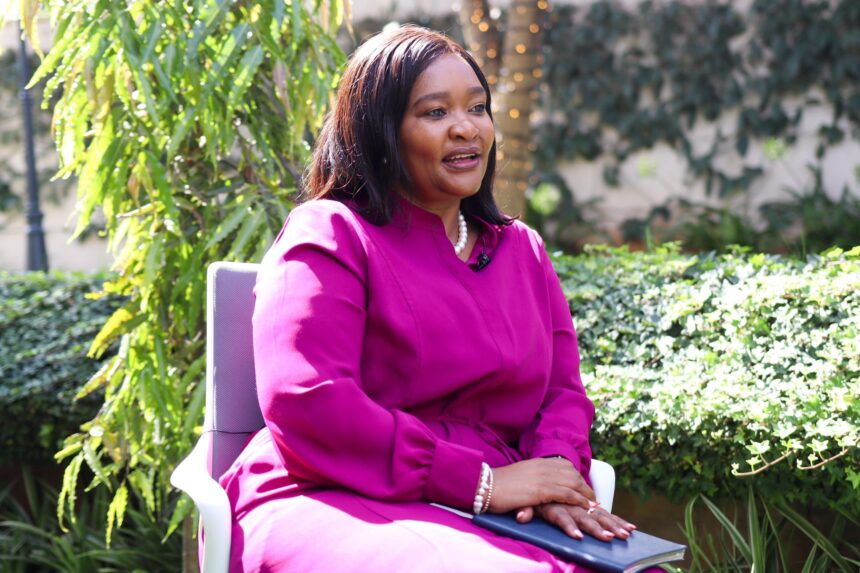
This deal marks a significant moment for Kenya, offering unrestricted access to the massive European market for its agricultural products like vegetables, cut flowers, fruits, tea, and coffee. Kenyan Cabinet Secretary for Investment, Trade and Industry Rebecca Miano hailed the agreement as a potential model for other African nations, particularly those in Eastern Africa.
“The EU-Kenya EPA is one of the most ambitious agreements negotiated between the European Union and an African country,” Miano said in a statement. “It includes trade, economic and development cooperation, with a focus on labor rights, gender equality, and environmental protection.”
While Kenyan goods gain immediate duty-free access, the agreement implements a gradual reduction of tariffs on European imports over the next quarter-century. This phased approach aims to protect Kenyan industries from sudden competition with European machinery, minerals, and chemical products. Additionally, the deal incentivizes European investment in Kenya.
However, safeguards are in place to prevent unfair competition. The EPA includes a clause barring the EU from applying blanket subsidies to agricultural exports to Kenya without prior discussions with the Kenyan government. This protects Kenyan farmers and ensures food security.
The trade imbalance between Kenya and the EU is a concern. In 2023, Kenya imported Ksh223.12 billion ($1.7 billion) worth of goods from the EU while exporting Ksh150.08 billion ($1.2 billion). The hope is that the EPA will encourage a more balanced trade relationship over time.
This agreement is a modified version of a previously stalled pact between the EU and the East African Community (EAC). The key difference lies in the inclusion of climate change measures. The original pact, signed in 2014, never materialized due to reservations from other EAC member states.
Unlike Kenya, which is a lower-middle-income country, other EAC nations benefit from “everything but arms” trade arrangements with developed countries due to their least-developed country (LDC) status. This exempts them from higher tariffs.
Kenya pursued a temporary agreement with the EU to maintain duty-free access for its exports while negotiations continued. A 2021 EAC summit allowed member states to pursue bilateral trade deals, paving the way for Kenya’s re-engagement with the EU.