


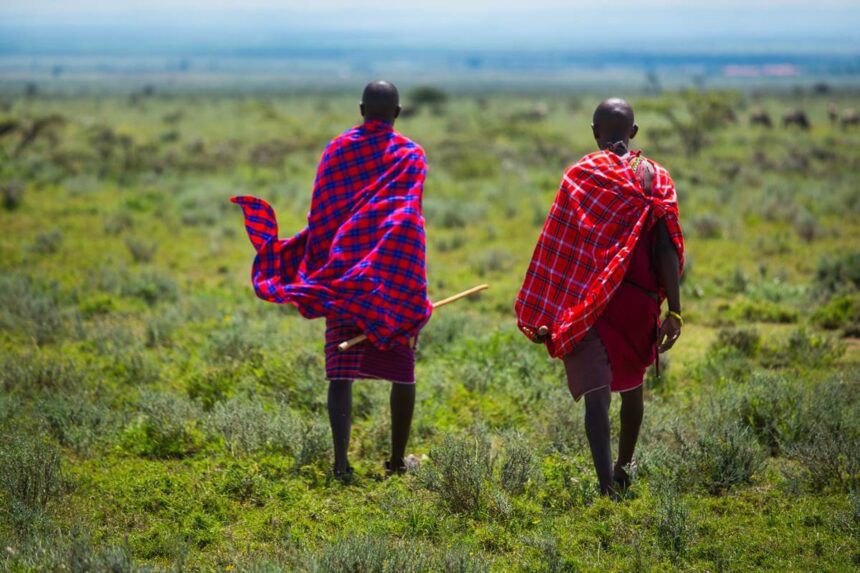
Tanzania’s wildlife conservation efforts have suffered a major setback after the European Union (EU) excluded the country from a new €18.4 million ($19.76 million) biodiversity protection grant for East Africa. This decision comes amid ongoing controversy surrounding the eviction of Maasai communities from their ancestral lands in the Ngorongoro and Loliondo areas.
The EU’s move follows the World Bank’s suspension of funding for a separate $150 million conservation and tourism project in southern Tanzania earlier this year. The Bank is investigating allegations of human rights abuses linked to the project, including intimidation and forced relocation of local communities.
Critics allege that the Tanzanian government is forcibly evicting the Maasai to create space for trophy hunting and expand tourism opportunities catering to wealthy clientele. The Maasai people have long opposed these relocations, citing ancestral ties to the land and the importance of pastoralism to their way of life.
The EU’s grant funding, now focused solely on Kenya, prioritizes projects that respect the rights of indigenous communities. Proposals must demonstrate a commitment to “Free, Prior and Informed Consent” from affected communities and include measures to address human rights concerns.
Indigenous rights groups like the Maasai International Solidarity Alliance (MISA) and Survival International have applauded the EU’s decision, calling it a strong message against the marginalization of local communities in conservation efforts.
Tanzania maintains that the evictions are legal under Tanzanian law, which vests ownership of all land in the state. However, the government’s actions continue to raise concerns about the human rights impact of conservation projects and the future of pastoralism in the region.
This funding withdrawal comes at a time when Tanzania’s tourism sector, a significant economic driver, is experiencing a strong rebound. The government insists the suspended project will continue despite the funding loss.