




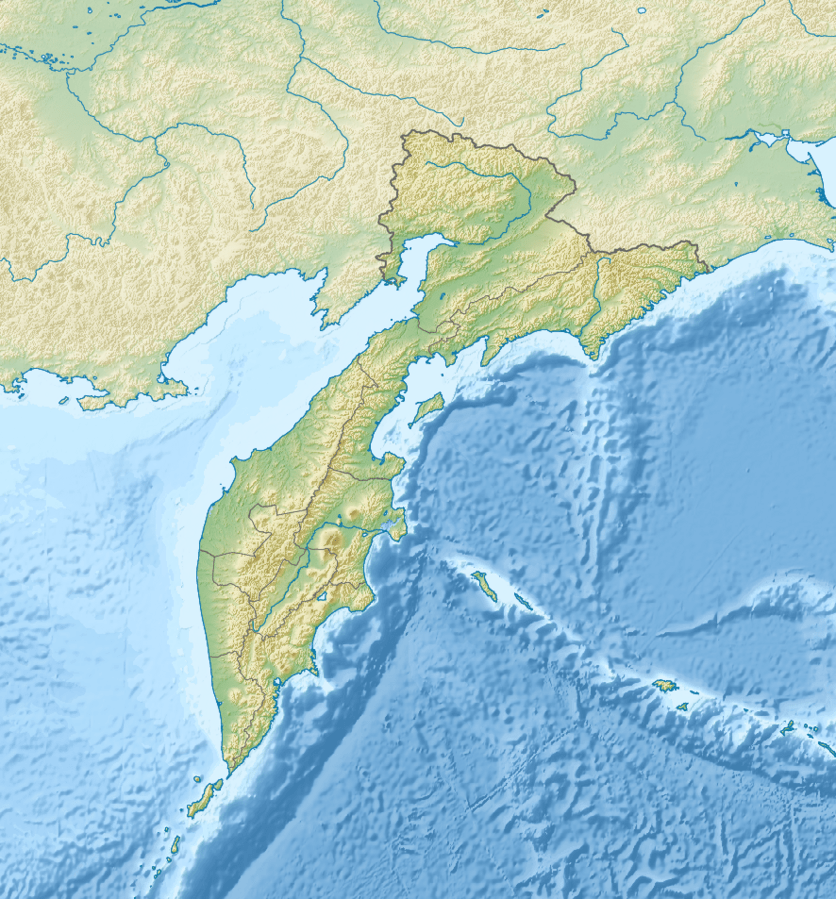
One of the most powerful earthquakes in recent history struck Russia’s Kamchatka Peninsula on Wednesday morning—setting off tsunami waves, evacuations, and global alerts.
But what makes this quake different from the rest? Let’s break it down.
The Quake Itself
The 8.8 magnitude earthquake hit with brutal force—just 19.3 kilometers below the surface. That’s incredibly shallow, and it’s what made the tremor so devastating.
To put this into perspective—this quake ties with the 2010 Chile earthquake as the sixth most powerful in recorded history. Tsunami warnings went out instantly across the Pacific.
Local Impact
Media reports say in Kamchatka and Sakhalin Island, tsunami waves up to 4 meters tall damaged a kindergarten, flooded coastal infrastructure, and left several people injured.
Global Ripple Effects
The Pacific Tsunami Warning System quickly issued alerts for a long list of countries:
Japan, Taiwan, the Philippines, China, Hawaii, Australia, South America—even the U.S. West Coast.
In Japan alone, 1.9 million people were evacuated. Workers at the Fukushima Nuclear Plant were pulled out, and Hawaii issued advisories to multiple counties. The globe held its breath.
Why This Event Matters
Why should this quake matter to all of us—even outside the danger zone?
First, it’s a reminder that Earth’s crust is more active than ever in the Pacific Ring of Fire. Second, it shows how fast disaster scenarios can escalate—and how vital global coordination is.


