

Kenya’s President William Ruto has declined to sign the controversial Finance Bill 2024 into law, responding to intense public backlash and protests. This decision follows Tuesday’s unprecedented demonstrations, during which protesters breached Parliament premises for the first time in Kenya’s history.
The bill, passed by MPs and sent to Ruto for approval, faced severe criticism for introducing new taxes and raising existing ones, which many feared would escalate the cost of living. Protests, initially sparked in Nairobi, quickly spread to other major cities, including Kisumu, Nakuru, Eldoret, Nyeri, and Mombasa, affecting over half of Kenya’s 47 counties.
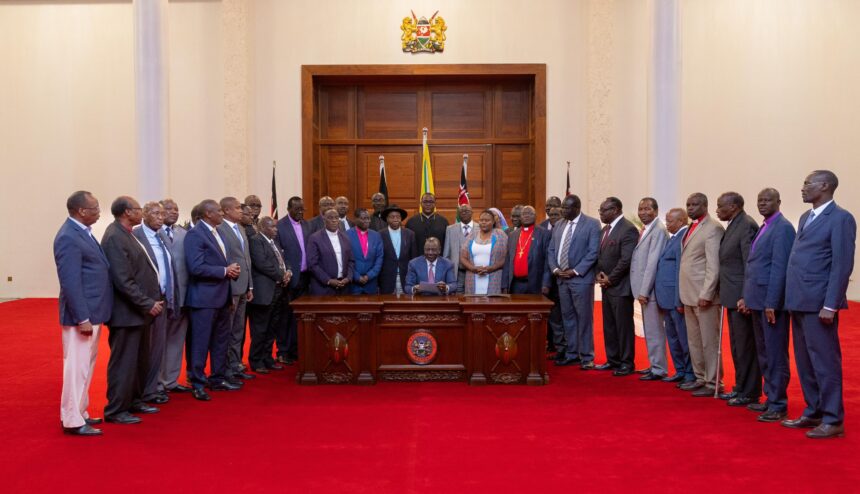
In a televised address from State House on Wednesday, Ruto, flanked by ruling party MPs who supported the bill, acknowledged the widespread dissatisfaction. He offered condolences to the families of those who lost their lives during the protests and recognized the destruction of property and the desecration of constitutional institutions.
“Following the passage of the Bill, the country witnessed widespread expression of dissatisfaction with the Bill as passed, regrettably resulting in the loss of life, destruction of property, and desecration of constitutional institutions. I send condolences to the families of those who lost their loved ones in this unfortunate manner,” Ruto said.
Ruto’s decision to withhold assent is seen as an effort to de-escalate tensions. He announced plans to engage young people to address their concerns and proposed a multi-sectoral, multi-stakeholder engagement within the next 14 days to discuss the bill’s content and related issues, such as austerity measures and the fight against corruption.
“I also propose that within the next 14 days, a multi-sectoral, multi-stakeholder engagement be held with a view to charting the way forward on matters relating to the content of the Bill as well as auxiliary issues raised in recent days on the need for austerity measures and strengthening our fight against corruption,” Ruto stated.
Additionally, Ruto directed immediate operational budget cuts for the presidency and the entire Executive arm of government. He also recommended that the Judiciary, Parliament, and county governments implement similar measures.