


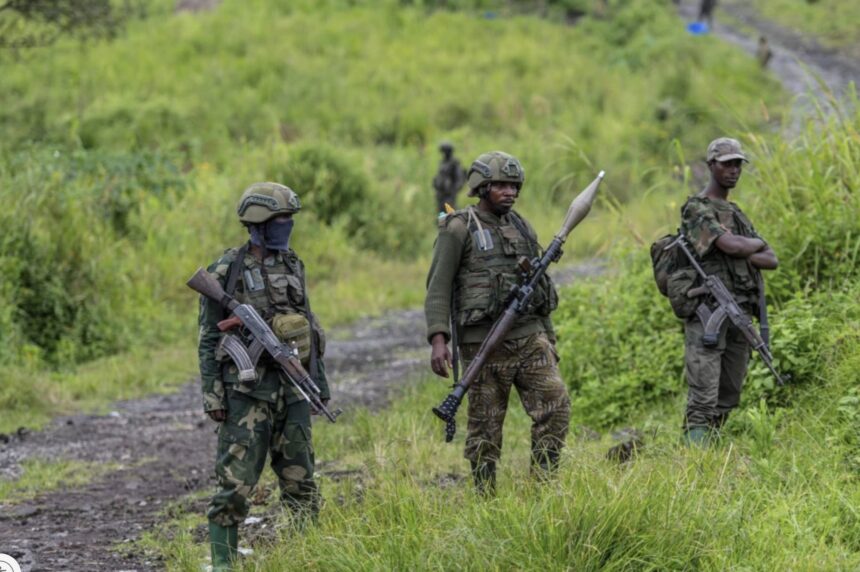
Rebel group M23 has captured Rubaya, a town in eastern Democratic Republic of Congo (DRC) known for its coltan mines, a key mineral used in smartphones. The seizure raises concerns of a wider conflict as the region grapples with instability.
M23, a predominantly Tutsi rebel group, announced the capture of Rubaya on Thursday. The Congolese army has yet to respond to the claim.
This development comes amid a surge in fighting between M23 and government forces in recent months. The violence adds another layer of complexity to the already dire humanitarian situation in eastern DRC, where millions are displaced and numerous armed groups vie for control of the mineral-rich region.
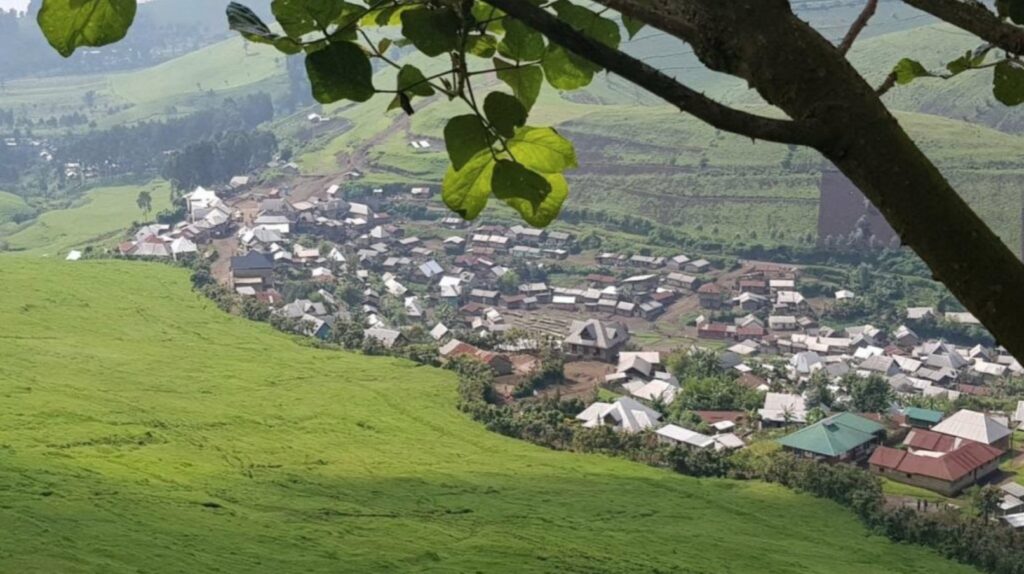
The capture of Rubaya is significant as it houses tantalum deposits, a crucial element extracted from coltan. Earlier this month, the DRC government questioned Apple about potential “blood minerals” in its supply chain, with coltan being a named concern.
“The fall of Rubaya embodies this systemic plundering,” remarked Ernest Singoma, a civil society activist.
The UN plans to withdraw peacekeepers from the region by year’s end, further raising concerns about a potential escalation of violence. Rebels are reportedly advancing towards Goma, the region’s largest city.
DRC President Felix Tshisekedi accuses Rwanda of backing the M23 rebels, an allegation supported by the US and UN experts. Rwanda has repeatedly denied these claims.
Analysts believe M23’s control over Rubaya could allow them to exploit its mineral resources, potentially funding further rebel activity.
The March 23 Movement, formed over a decade ago, previously captured Goma in 2012. Their current offensive threatens to repeat history, leaving the future of eastern DRC hanging in the balance.