

Migrants and refugees in South Africa face a double whammy when it comes to healthcare. A struggling public health system and xenophobic attitudes create significant barriers to accessing essential services.
NGOs attempting to bridge the gap by providing targeted services for migrants have encountered unintended consequences. Clinics designed as safe spaces for foreigners unintentionally fueled resentment within host communities who felt they were receiving inferior care.
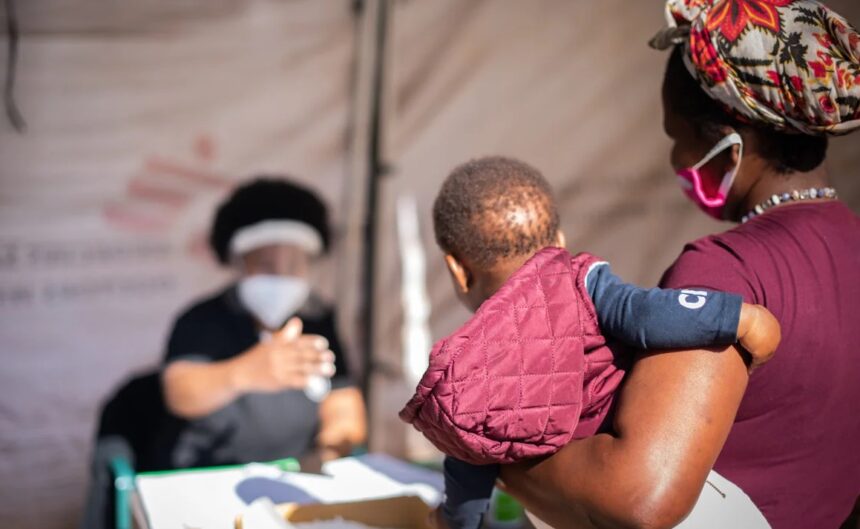
Musa Ndlovu, who managed a Doctors Without Borders (MSF) clinic in Tshwane, witnessed this dynamic firsthand. The clinic, intended to serve all community members, became identified as a migrant haven. Local residents began questioning why foreigners received “royal treatment” while they struggled to access basic services.
This experience highlights a broader challenge: providing separate services for migrants can exacerbate existing tensions and contribute to xenophobia. Furthermore, South Africans who move domestically face similar hurdles when trying to access healthcare in unfamiliar communities.
The root cause lies in South Africa’s ailing public healthcare system. With limited resources and overwhelmed staff, tensions rise when anyone – citizen or foreigner – seeks care. Long wait times and allegations of corruption further erode public trust.
Foreign nationals, estimated at just 3% of the population, become easy scapegoats. Despite constitutional guarantees of healthcare access, confusion around policy implementation creates a grey area. Some facilities deny asylum seekers basic services or charge them full price, effectively pushing them out of the system.
A recently adopted National Health Insurance bill raises further concerns. Experts fear it could be used to deny services to non-refugee foreigners, further marginalizing this vulnerable population.
Pregnant women and children are particularly at risk. A harrowing example involved a Congolese woman denied care at two hospitals, ultimately giving birth on a train station floor. NGOs like the Consortium for Refugees and Migrants in South Africa (CoRMSA) fight such injustices, but their efforts are stretched thin.