


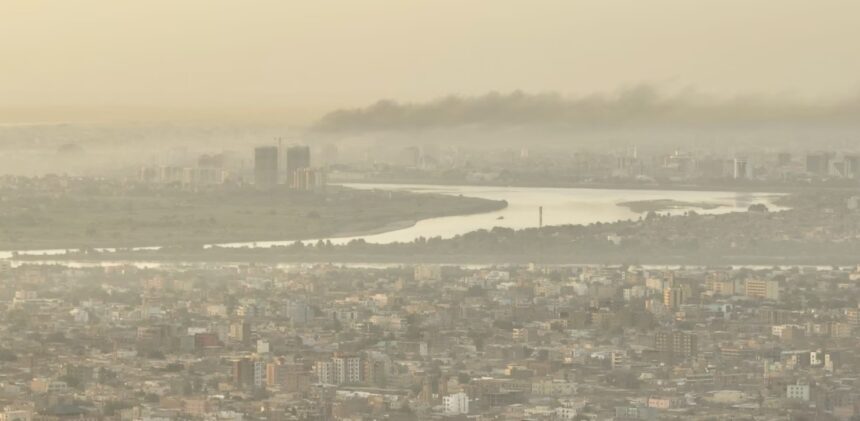
Foreign nationals have begun evacuating from the Red Sea port in Sudan, as the capital, Khartoum, continues to be rocked by air strikes. This comes after a week of fighting between rival military commanders that has led to the deaths of hundreds of civilians across the nation.
The ongoing urban warfare has trapped large numbers of people in Khartoum, with the airport repeatedly targeted and residents unable to leave their homes or get to safer areas. The United Nations and foreign states have urged military leaders to honor declared ceasefires, which have mostly been ignored, and to open safe passage for fleeing civilians and aid supplies.
Saudi Arabia has evacuated Gulf citizens from Port Sudan, while Jordan plans to do the same for its nationals. Western countries are expected to send planes for their citizens from Djibouti, although it remains unclear when airports in Khartoum and Nyala will be safe for use.
Some diplomatic staff in Khartoum are hoping to be evacuated by air from Port Sudan in the next two days, according to a foreign diplomat who requested anonymity. The US Embassy has warned Americans that it cannot assist convoys from Khartoum to Port Sudan and travel would be at individuals’ own risk.
The army, under Abdel Fatteh al-Burhan, and the Rapid Support Forces (RSF), led by Mohamed Hamdan Dagalo, known as Hemedti, have failed to observe ceasefires agreed upon almost daily since hostilities broke out on April 15. Saturday’s fighting breached what was meant to be a three-day truce from Friday to allow citizens to reach safety and visit family during the Muslim holiday of Eid al-Fitr. Both sides accused the other of not respecting the truce.
The ongoing violence has led to a rush to flee by many Khartoum residents, who have been trapped in their homes or local districts under bombardment and with fighters roaming the streets. International medical charity Medecins Sans Frontieres (MSF) has appealed for safe passage, stating that ports of entry are needed to bring specialist trauma staff and medical supplies.
Beyond Khartoum, the worst reports of violence have come from Darfur, a western desert region that borders Chad and that suffered warfare from 2003 that has killed as many as 300,000 people and displaced 2.7 million. The Sudanese doctors union said on Saturday that more than two-thirds of hospitals in conflict areas were out of service, with 32 forcibly evacuated by soldiers or caught in crossfire.
Sudan’s sudden collapse into warfare has brought an already impoverished country to the brink of humanitarian catastrophe and threatens a wider conflict that could draw in outside powers. There has been no sign yet that either side in the deadly power struggle can secure a quick victory or is ready to talk. The World Health Organization reported on Friday that 413 people had been killed and 3,551 injured since fighting broke out.