




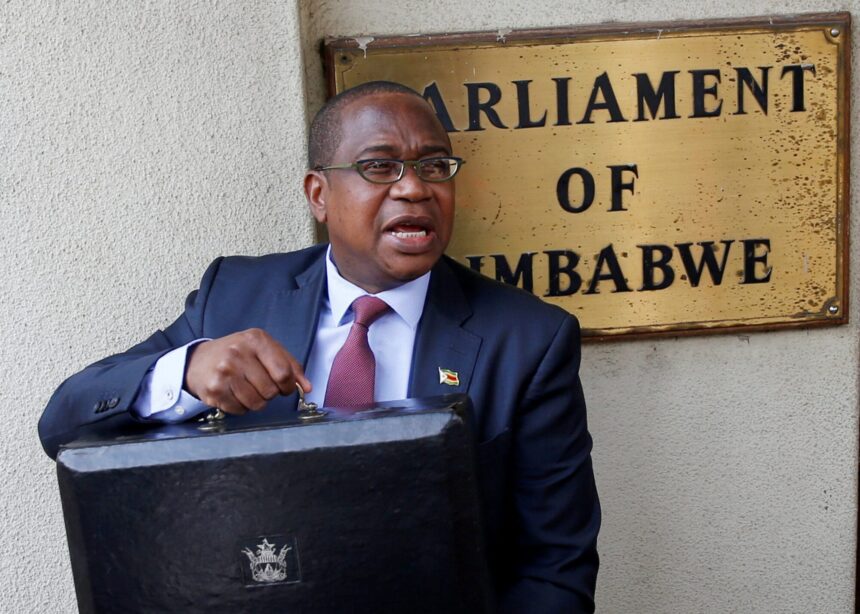
Zimbabwe’s finance minister has raised concerns that the U.S. withdrawal from the World Health Organization (WHO) could lead to cuts in vital health aid for countries like Zimbabwe, which are heavily impacted by HIV/AIDS.
The concerns stem from an executive order signed by U.S. President Donald Trump, signaling the country’s departure from the WHO shortly after his second-term inauguration. During a briefing at the World Economic Forum in Davos, Finance Minister Mthuli Ncube warned that the move could have significant consequences for countries that rely on U.S. support for their HIV/AIDS programs. “Any country with an HIV/AIDS challenge will be impacted,” Ncube said.
Zimbabwe receives over $200 million annually from the U.S. President’s Emergency Plan for AIDS Relief (PEPFAR), and since 2006, the U.S. has contributed over $1.7 billion to Zimbabwe’s health system, including HIV-related support. PEPFAR provides nearly $90 million each year for healthcare worker salaries, HIV and viral load testing, prevention efforts, tuberculosis treatment, and cervical cancer screenings.
Facing challenges in funding its own public health system, Zimbabwe has introduced taxes on sugary beverages and fast foods to help raise funds for health programs. Ncube emphasized the need for Zimbabwe to strengthen its domestic health funding in case international assistance declines.


