




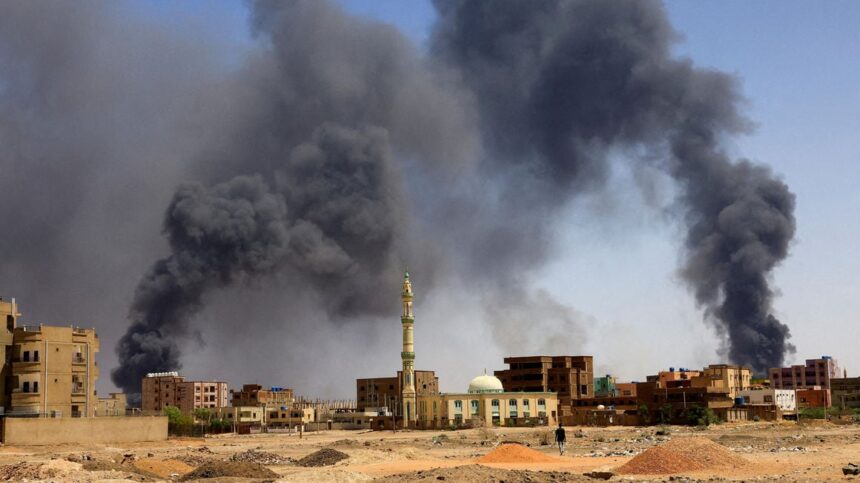
Khartoum – A fresh report by Amnesty International has accused China, Turkey, Russia, and the United Arab Emirates of stoking the raging conflict in Sudan by supplying advanced weaponry to warring factions.
The human rights watchdog, in its latest publication titled “New Weapons Fuelling the Sudan Conflict,” released on Monday, details a disturbing pattern of arms transfers into the war-torn nation, in direct defiance of the existing arms embargo imposed on Darfur.
“The ceaseless influx of weapons into Sudan is a primary driver of the immense civilian suffering and death,” said Deprose Muchena, Amnesty International’s Senior Director for Regional Human Rights Impact. “This humanitarian catastrophe demands urgent global attention.”
The report meticulously documents a range of lethal armaments, from handguns to sophisticated anti-tank rifles, employed by both the Sudanese Armed Forces (SAF) and the Rapid Support Forces (RSF). The study also pinpoints the origins of these weapons, with China and the UAE emerging as key suppliers of advanced military equipment.
Amnesty’s investigation, based on a comprehensive analysis of trade data, open-source intelligence, and interviews with regional experts, reveals a disturbing trend of recently manufactured weapons being diverted into Sudan. The organization warns that these armaments are being used to commit grave human rights abuses, including war crimes.
“The current arms embargo, limited to Darfur, is clearly insufficient,” Muchena added. “A blanket ban on arms sales to Sudan is imperative to protect civilians from further harm.”
Since the conflict escalated in April 2023, over 16,000 people have lost their lives, while millions have been forced to flee their homes. The looming threat of famine exacerbates the crisis, underscoring the urgent need for international intervention.
Amnesty International calls on the international community to impose a comprehensive arms embargo on Sudan, investigate arms transfers to the country, and hold accountable those responsible for fueling the conflict.


