


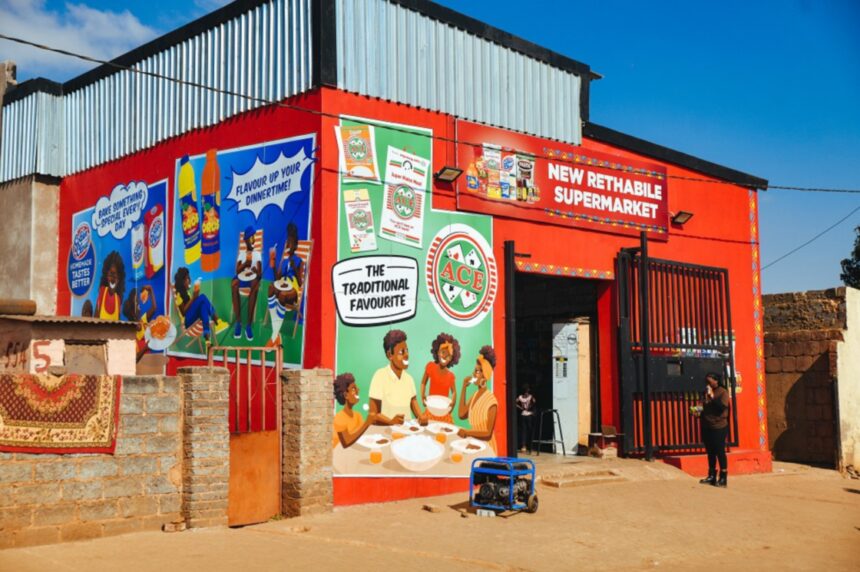
South Africa’s informal grocery sector, a massive industry valued at R184 billion by Trade Intelligence, is experiencing a period of significant change. Local spaza shops, the cornerstones of many communities, are facing pressure from several directions.
Foreign competition is a growing concern. With the sector’s impressive growth attracting new entrants, immigrants seeking economic opportunities are establishing spaza shops, raising concerns among some South African entrepreneurs about being squeezed out.
This competition comes alongside the growing interest of retail giants like Shoprite and Tiger Brands. These established players see a chance to expand their reach into previously underserved communities. Shoprite, in particular, has been aggressive with its Usave chain, specifically designed for low-income areas. Their Usave eKasi stores, built using shipping containers, offer a flexible and cost-effective way to establish a presence in townships.
Consumer preference plays a significant role in the spaza shop economy’s success. Millions of South Africans rely on these shops for their convenience and affordability. Research indicates that around 11.1 million South Africans frequent spaza shops, drawn to their lower prices and proximity. In fact, informal traders are estimated to supply a staggering 40% of the country’s food purchases and cater to 77% of the population’s calorie consumption.
Safety concerns have also emerged, with recent suspected food poisoning cases in townships prompting calls for increased regulation to ensure food safety standards on par with formal retailers.
The battle for South Africa’s spaza shop economy is multifaceted. Local shops grapple with foreign competition while large retailers like Shoprite make strategic inroads. Consumer demand for convenience and affordability remains strong, but safety concerns necessitate stricter regulations.