




NAIROBI, Kenya – A top US diplomat confirmed on Tuesday that parts of Sudan are already experiencing famine, with the full extent of the crisis obscured by the ongoing war.
Tom Perriello, the US special envoy to Sudan, spoke to Reuters, acknowledging the presence of famine but highlighting the uncertainties surrounding its scope and duration. “There’s no doubt we’re facing famine,” Perriello stated, “The key questions are how widespread it is, how many people are affected, and for how long.”
An official declaration of famine hinges on a specific set of criteria established by the Integrated Food Security Phase Classification (IPC), a UN-led initiative. These criteria encompass severe malnutrition and mortality rates.
The situation in Sudan has grown increasingly dire. In May, UN agencies warned of an “imminent risk of famine,” with nearly 18 million people facing acute hunger, including 3.6 million severely malnourished children. An IPC assessment conducted in March placed nearly five million Sudanese on the brink of famine.
Reuters has documented the war’s devastating impact, with some resorting to eating soil and leaves to survive. The IPC is expected to release an updated report on Sudan in the coming weeks.
Perriello pinpointed the lack of comprehensive data due to the conflict as the primary obstacle to a formal famine declaration. He emphasized the human-made nature of the crisis, placing blame on both warring parties. “The RSF’s year-long campaign of burning crops and looting warehouses significantly contributed to the situation,” Perriello said. “Currently, the SAF (Sudanese Armed Forces) are hindering aid access by playing games with border crossings and internal movement, essentially condemning their own people to starvation.” Both the army and the RSF have refuted accusations of obstructing humanitarian efforts.
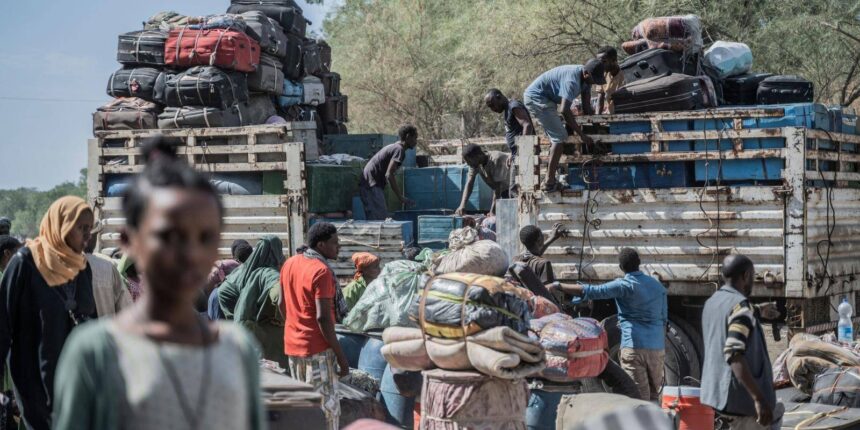
The conflict erupted in April 2023 in the capital, Khartoum, rapidly escalating and reigniting ethnic violence in Darfur. It has displaced millions, becoming the world’s largest internal displacement crisis. Diplomatic efforts to revive ceasefire talks have proven unsuccessful, with the army refusing negotiations.
Perriello acknowledged a heightened sense of international urgency regarding a resolution to the conflict. “However,” he cautioned, “we haven’t reached a critical point where international pressure translates into what’s truly needed: an end to the war.”


