




Africa stands at a crossroads. The continent grapples with the accelerating impacts of climate change while simultaneously holding the potential to become a leader in sustainable development through the Fourth Industrial Revolution.
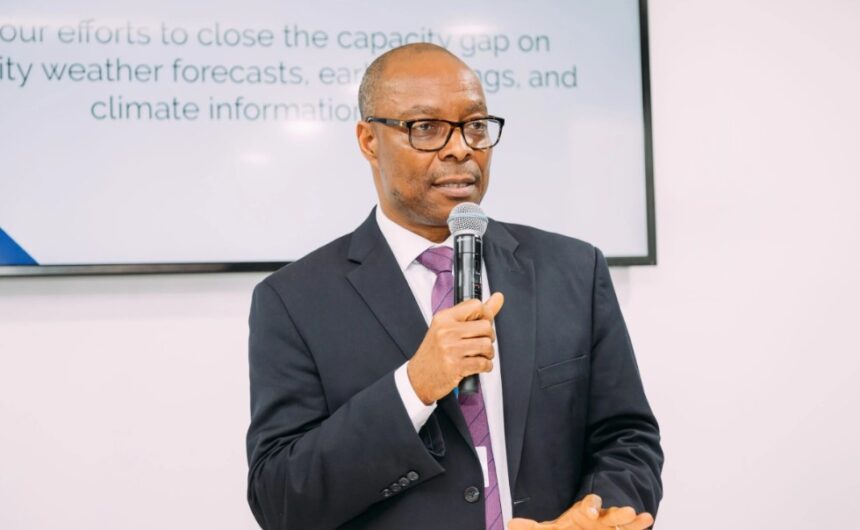
Professor Anthony Nyong, Director of Climate Change and Green Growth at the African Development Bank, highlights the urgency for Africa to embrace technological solutions. A warming climate threatens to cripple African economies, with potential GDP losses of up to 3% by 2050. However, this crisis presents an opportunity for Africa to redefine its development trajectory.
The Fourth Industrial Revolution, characterized by the convergence of digital, biological, and physical systems, offers innovative solutions. Africa’s booming population, projected to double by 2050, demands a sustainable approach. Technological advancements like artificial intelligence and big data can revolutionize industries across the continent.
In agriculture, for example, AI-powered precision farming has shown promise, increasing crop yields and reducing water usage. Such advancements are crucial for addressing hunger and malnutrition. By leveraging these technologies, Africa can ensure greater food security and improve nutritional outcomes for its citizens.
Unlocking this potential requires innovative financing. A recent 36% decline in startup investment highlights the challenges entrepreneurs face. However, some bright spots emerge, with Kenya, South Africa, Egypt, and Nigeria attracting a significant portion of funding, particularly in fintech.
Green bonds and blended finance mechanisms are essential for mobilizing the substantial investments needed. The African Development Bank plays a key role, supporting technological adoption through project lending, policy advocacy, and capacity building. Collaboration with governments, the private sector, and international partners is crucial for tackling challenges like climate change and fostering economic inclusion.
Supporting youth initiatives, nonprofits, and small and medium-sized enterprises is vital. The Bank’s support for the Ekiti Knowledge Zone in Nigeria exemplifies this commitment. This state-led project aims to foster digital entrepreneurship and create jobs, aligning with the Bank’s focus on promoting entrepreneurship and developing a skilled workforce.


